Written by Nel Restoration | Published on July 2025
Mold can begin growing on wet surfaces in as little as 24 to 48 hours after water damage occurs. Understanding how water damage leads to mold is the first step toward protecting your home and your health. This article walks through the exact process, the warning signs, and what residents across Goldsboro, Raleigh, Wilson, Kinston, Clayton, and surrounding communities need to know.
Understand Why Mold Grows After Water Damage
Mold is a fungus that reproduces through microscopic spores. Those spores are already floating in the air inside your home right now. Under normal, dry conditions, they do not settle and grow. But introduce moisture, and the equation changes fast.
Water damage creates the three conditions mold needs to thrive: moisture, a food source like drywall or wood, and warm temperatures. North Carolina’s humid climate, especially in towns like La Grange, Eureka, and Seven Springs, makes this even more urgent. High outdoor humidity accelerates indoor moisture buildup after any water event.
Once mold spores land on a wet surface, they begin germinating. Within 24 to 48 hours, colonies form. Within a week, visible mold patches can appear. The longer water sits, the deeper mold penetrates into building materials.
Identify the Stages of Mold Development After a Water Event
Mold does not appear all at once. It moves through predictable stages after water damage, and knowing these stages helps you understand why fast response matters so much.
| Time After Water Damage | What Happens | Risk Level |
|---|---|---|
| 0 to 24 hours | Water saturates materials, spores begin to activate | Moderate |
| 24 to 48 hours | Mold germination begins on wet surfaces | High |
| 3 to 7 days | Visible mold colonies start forming | Very High |
| 1 to 2 weeks | Mold spreads to adjacent materials, structural damage begins | Severe |
| Beyond 2 weeks | Deep material contamination, possible health hazards | Critical |
The window to prevent mold after water damage is narrow. Acting within the first 24 hours gives you the best chance of stopping mold before it takes hold. Nel Restoration responds quickly precisely because every hour counts in this process.
Recognize Which Materials Are Most Vulnerable to Mold
Not all materials respond to water the same way. Some absorb moisture deeply and feed mold colonies for weeks. Others dry faster and resist mold growth better. Knowing what is in your home helps you prioritize what needs drying first.
- Drywall: Extremely porous. It absorbs water quickly and cannot always be dried in place. Wet drywall often must be removed to stop mold.
- Wood framing and subfloors: Water soaks into wood grain and creates an ideal mold habitat. Swelling and warping signal deep saturation.
- Carpet and padding: Padding beneath carpet traps water and almost always develops mold if not removed and replaced within 24 to 48 hours.
- Insulation: Fiberglass and foam insulation hold moisture for days. Once wet, insulation almost always needs full replacement.
- Ceiling tiles: Drop ceiling tiles absorb water from roof leaks or pipe bursts above and show visible staining quickly.
- Concrete and masonry: While less porous, concrete still holds surface moisture long enough to support mold growth in cracks and joints.
Homes in Smithfield, Selma, and Fremont often feature older construction with wood-heavy framing. These structures absorb water faster than newer builds with moisture-resistant materials, making professional drying equipment even more important in those situations.
Compare Common Water Damage Sources and Their Mold Risk
The source of water damage affects how quickly mold develops and how contaminated the affected area becomes. Clean water from a burst pipe carries less immediate biological risk than floodwater or sewage backup. But all categories can lead to mold if not dried properly.
| Water Source | Category | Mold Risk Timeline | Common in Our Area |
|---|---|---|---|
| Burst pipe or appliance leak | Category 1 (Clean) | 24 to 48 hours | Goldsboro, Raleigh, Clayton |
| Washing machine overflow | Category 2 (Gray) | 24 to 36 hours | Wilson, Kinston, Mount Olive |
| Toilet backup or sewage | Category 3 (Black) | 12 to 24 hours | Princeton, Kenly, Pikeville |
| Roof leak or storm flooding | Category 2 to 3 | 24 to 48 hours | La Grange, Eureka, Seven Springs |
| Groundwater flooding | Category 3 (Black) | 12 to 24 hours | Walnut Creek, Fremont, Selma |
Category 3 water, often called black water, carries bacteria and other contaminants that speed up mold growth significantly. Storm flooding events, which are common across Wayne County and Johnston County, often bring this type of water into homes. Professional extraction and sanitization are required in these cases.
Spot the Early Warning Signs of Mold After Water Damage
Mold does not always appear where you can easily see it. It hides inside walls, under flooring, above ceiling tiles, and inside HVAC systems. Knowing the early warning signs helps you catch it before it spreads.
- Musty odor: A persistent earthy or damp smell is often the first sign of mold, even before any visible growth appears.
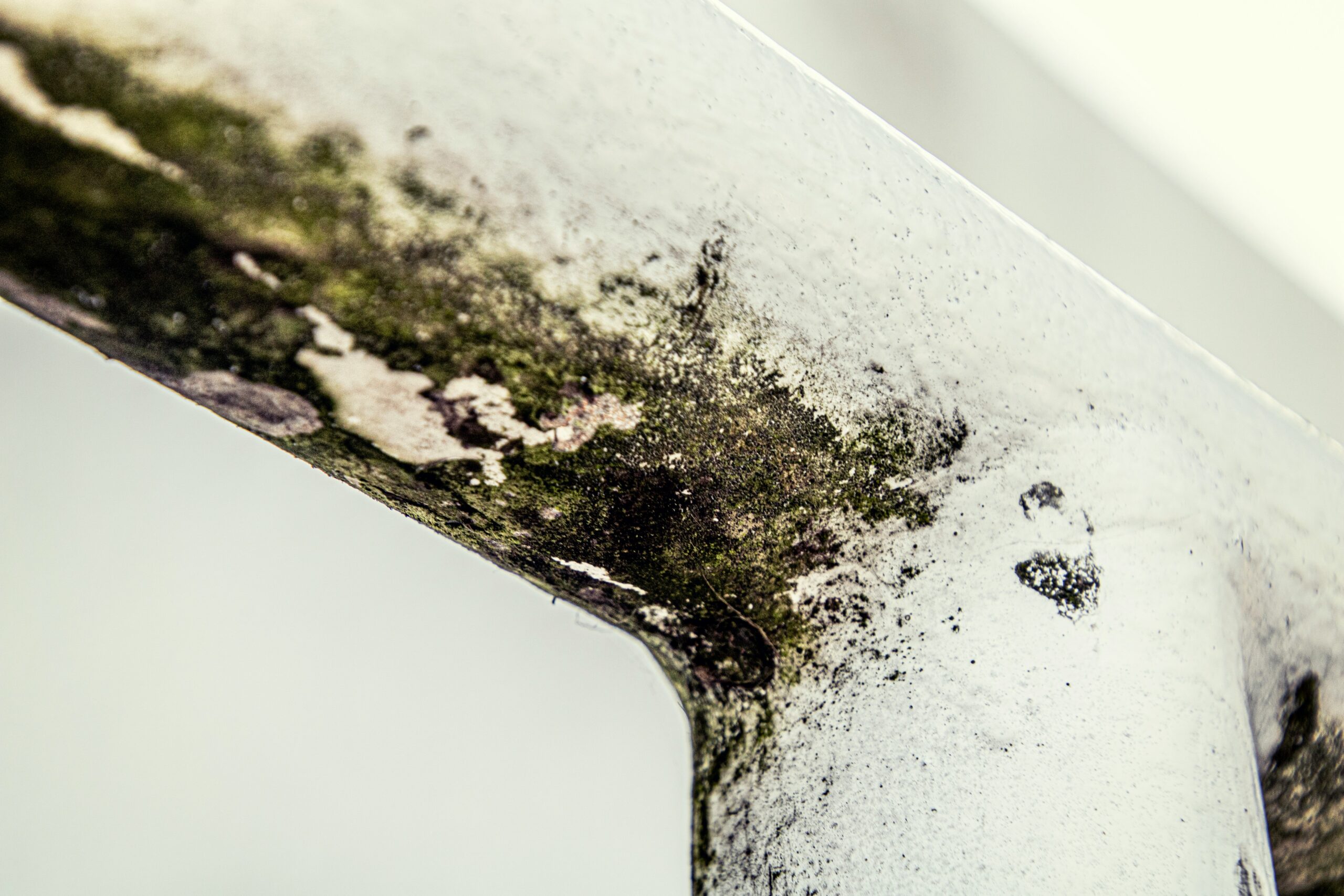
- Discoloration on walls or ceilings: Dark spots, green patches, or white fuzzy growth on drywall or wood confirm active mold colonies.
- Warped or bubbling paint: Paint that bubbles or peels away from a wall can signal moisture trapped behind the surface.
- Allergy-like symptoms: Sneezing, coughing, itchy eyes, or worsening asthma indoors can indicate mold in the air, even when no mold is visible.
- Soft spots in flooring: Subfloor mold often shows up as soft or spongy areas underfoot, especially in bathrooms and kitchens.
- Condensation on windows: Persistent moisture buildup on glass signals high indoor humidity that encourages mold growth throughout the space.
If you notice any of these signs after a water event, do not wait. Nel Restoration uses moisture meters and thermal imaging cameras to find hidden water and moisture pockets that you cannot see with the naked eye.
Explore the Health Risks Mold Poses to Your Family
Mold is not just a cosmetic problem. Exposure to mold spores and mycotoxins can cause real health effects, especially for children, the elderly, and people with respiratory conditions or compromised immune systems.
Common health effects from mold exposure include chronic coughing, nasal congestion, throat irritation, skin rashes, and aggravated asthma. Certain mold types, including Stachybotrys chartarum (often called black mold), can cause more serious neurological symptoms with prolonged exposure.
Families in Kinston, Wilson, and Smithfield who experienced flooding from past hurricanes and tropical storms know firsthand how quickly indoor air quality can decline when mold is left untreated. Getting a professional assessment after any water event protects your family’s health, not just your home’s structure.
The North Carolina Department of Health and Human Services recommends removing mold-contaminated materials and drying structures within 48 hours of water damage to minimize health risks. This aligns exactly with the professional restoration timeline that Nel Restoration follows on every job.
Take the Right Steps to Stop Mold Before It Starts
Stopping mold after water damage requires more than running a fan. Professional restoration involves a specific sequence of steps designed to eliminate moisture completely before mold can establish itself.
- Stop the water source: Turn off the main water supply or address the roof breach before anything else. No drying process works while water is still entering the space.
- Extract standing water immediately: Industrial truck-mounted extractors remove hundreds of gallons of water per hour. This step must happen as fast as possible.
- Remove saturated materials: Carpet padding, drywall, and insulation that cannot be dried in place must come out. Attempting to dry them in place often fails and traps moisture inside walls.
- Set drying equipment: Commercial-grade air movers and dehumidifiers run continuously, often for 3 to 5 days, to bring moisture levels down to safe readings below 16 percent in wood and 0.5 in concrete.
- Apply antimicrobial treatments: Professional-grade antimicrobial agents inhibit mold growth on surfaces during the drying process.
- Monitor daily with moisture meters: Drying is not complete until meters confirm that all affected materials have reached acceptable moisture levels.
- Rebuild and restore: Once fully dry, reconstruction of removed materials can begin with confidence that mold will not be sealed inside the walls.
Skipping steps or cutting the drying process short is one of the most common reasons mold appears weeks or months after a water event. Nel Restoration follows IICRC S500 standards on every project to make sure drying is complete before reconstruction begins.
FAQs on How Water Damage Leads to Mold
How quickly does mold grow after water damage?
Mold can begin germinating on wet surfaces within 24 to 48 hours of water damage. Visible mold colonies often appear within 3 to 7 days if moisture is not removed. Acting within the first 24 hours gives you the best chance of preventing mold growth entirely.
Can I dry out water damage myself and prevent mold?
Consumer fans and dehumidifiers can help with minor surface moisture, but they rarely dry materials like subfloors, wall cavities, or insulation thoroughly enough to prevent mold. Professional equipment operates at a much higher capacity and reaches moisture that household equipment cannot. For anything beyond a very small spill, professional drying is strongly recommended.
What does mold smell like after water damage?
Mold produces a distinct musty, earthy odor that many people describe as similar to wet soil or a damp basement. This smell can be noticeable even before any visible mold appears. If your home smells musty after a water event, treat it as a warning sign and have the space inspected.
Does homeowners insurance cover mold from water damage?
Coverage depends on the cause of the water damage and your specific policy. Mold resulting from a sudden, accidental water event like a burst pipe is often covered. Mold from long-term neglect or gradual leaks is typically excluded. Contact your insurance provider and your restoration company promptly to document the damage correctly.
How long does professional water damage drying take?
Most residential water damage drying projects take between 3 and 5 days using professional equipment. Larger losses or those involving Category 3 water can take longer. Your restoration team should check moisture readings daily and keep you informed of progress throughout the process.
Is mold after water damage dangerous to live with?
Mold exposure can cause respiratory symptoms, allergic reactions, and in some cases more serious health effects depending on the mold type and exposure level. Vulnerable individuals including children, elderly adults, and those with asthma or immune conditions are at higher risk. It is best to address mold promptly rather than continue living with an active infestation.
Wrap Up and Next Steps
Understanding how water damage leads to mold is essential for protecting your home and your family’s health. Mold begins growing within 24 to 48 hours of water exposure, and the longer moisture sits, the harder and more expensive the problem becomes to fix.
If you have experienced water damage anywhere in Goldsboro, Raleigh, Wilson, Kinston, Clayton, Smithfield, or the surrounding communities, do not wait to see if mold appears. Contact Nel Restoration today at (818) 389-9002 to schedule an emergency assessment and get professional drying started before mold has a chance to take hold.